CHECKING & SAVINGS
How to Fill Out a Money Order: A Step-by-Step Guide
EXPECTED READ TIME: 5 MINUTES
A money order is one of the simplest ways to send guaranteed funds when you don't have a checking account, or when whoever you're paying doesn't take personal checks. It only takes a few fields, but getting one wrong, an unsigned line, a missing memo, can hold up a payment. Here's exactly how to fill one out, field by field.
What Is a Money Order?
A money order is a paper payment, similar to a check, but prepaid: you hand over cash or a debit payment upfront, and the issuer, the post office, a retailer, or a money transfer service, guarantees the funds. Because it's already paid for, a money order can't bounce, which makes it a common substitute for a personal check when a landlord, court, or business wants guaranteed funds and a bank account isn't in the picture.
How to Fill Out a Money Order
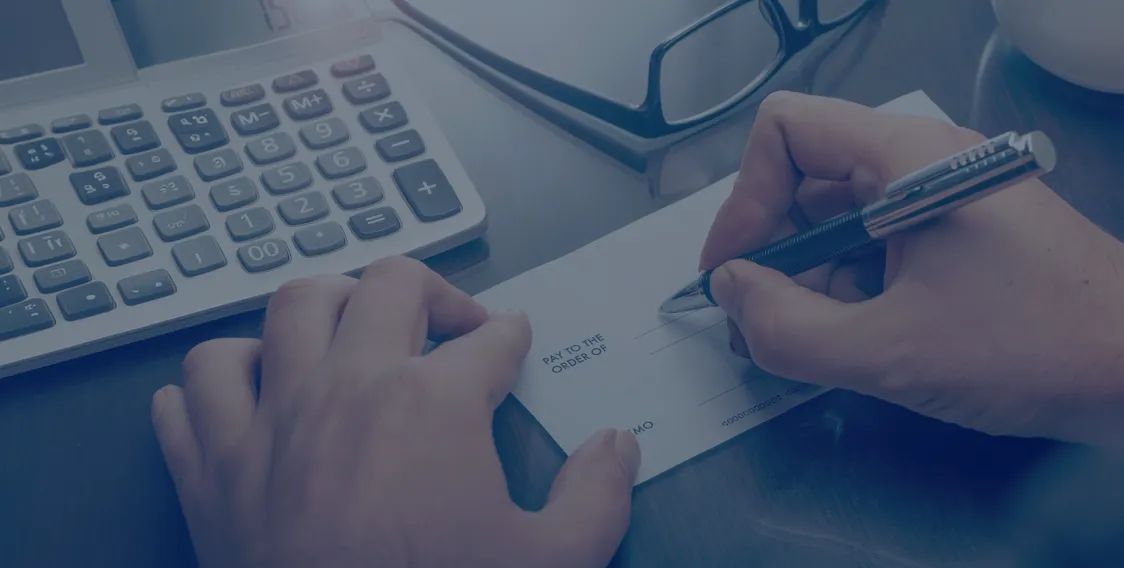
- Pay to the Order Of. Write the full, correct name of the person or business you're paying. This field usually can't be changed once written, so double-check the spelling.
- Purchaser's name and address. Fill in your own name and address in the sender or purchaser field, so there's a record of who bought the money order.
- Address or account number (if there's a field for it). Some money orders include a line for the payee's address or an account number; if you're paying a bill, this is where a utility or loan account number goes.
- Memo line. Note what the payment is for, such as an invoice number or "March rent," so both sides have a record.
- Sign the front. Sign on the purchaser signature line on the front. Never sign the back until you're the one cashing or depositing it.
- Keep your receipt. The detachable receipt is your only proof of purchase and the only way to trace or replace the money order if it's lost, so keep it until you know the payment was received.
Where to Get a Money Order
Money orders are widely available and don't require a bank account:
- The U.S. Postal Service, which sells money orders at any post office
- Retailers, including Walmart, CVS, and many grocery and convenience stores
- Money transfer services, such as Western Union and MoneyGram
- Some banks and credit unions, typically for accountholders
See the Cashier's Check tab in Similar Articles for the bank-issued, higher-dollar alternative.
How Much Does a Money Order Cost?
Money orders are inexpensive compared to a cashier's check, typically a flat fee of a few dollars regardless of the amount, though the exact fee varies by issuer and by how much you're sending. Confirm the current fee with whichever issuer you use.
Money Order Limits
Most issuers cap a single money order around $1,000. If you need to send more than that, you'll typically need to buy multiple money orders, which usually means paying the fee more than once, or use a cashier's check instead, since a cashier's check doesn't carry the same low cap.
What to Do If You Make a Mistake
Most issuers won't let you cross out and correct an error the way you might on a personal check. If you misspell the payee's name or write the wrong amount before the money order leaves your hands, ask the issuer to void and reissue it on the spot. If you've already handed it over and notice a mistake afterward, contact the issuer directly. Depending on the issuer, you may be able to cancel it for a small fee and get a refund, as long as it hasn't been cashed yet.
How to Cash a Money Order
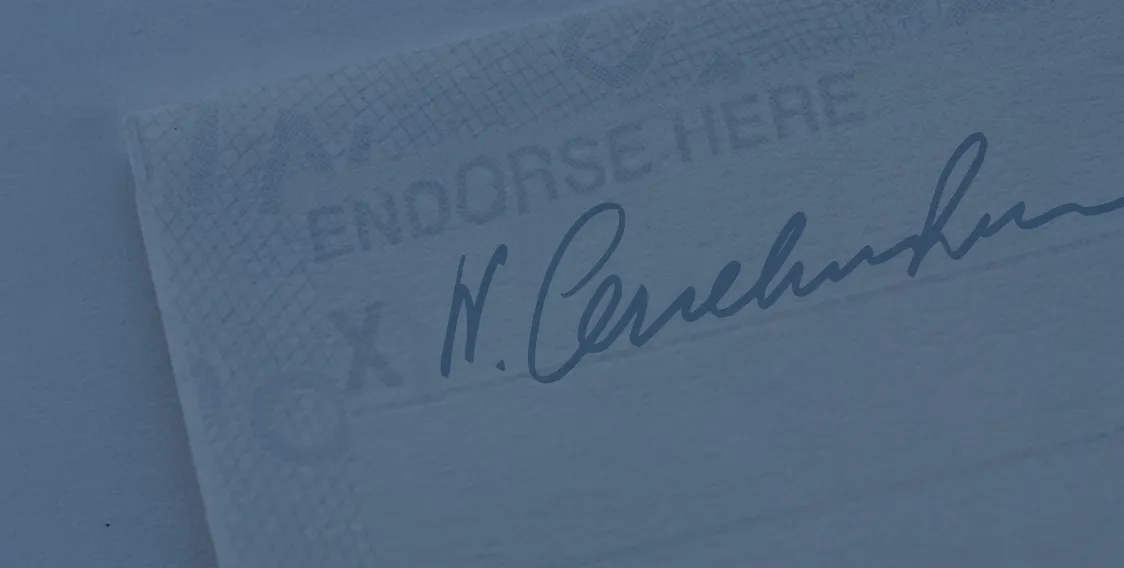
The person receiving a money order can typically cash or deposit it at a bank or credit union, at the issuer itself (a post office for a USPS money order, a Western Union or MoneyGram location for theirs), or at many retailers that offer check-cashing services. As with any check, the recipient signs the back only when they're ready to cash or deposit it. See How to Endorse a Check in Similar Articles for the signing-over process.
Money Order vs. Cashier's Check vs. Personal Check
All three are ways to guarantee or send a payment, but they differ in cost, limit, and where you get them.
|
Type |
Backed By |
Typical Limit |
Where To Get It |
Best For |
|---|---|---|---|---|
|
Money order |
The issuer (post office, retailer, or money transfer service) |
Usually capped around $1,000 |
Post office, many retailers, some banks |
Smaller guaranteed payments without a bank account |
|
Cashier's check |
The issuing bank or credit union |
No standard cap; suited to large amounts |
A bank or credit union branch |
Big-ticket, guaranteed-funds purchases |
|
Personal check |
Your own account balance |
No preset limit, but funds aren't guaranteed |
Written by you, anywhere |
Everyday payments where guaranteed funds aren't required |
Frequently Asked Questions
If you catch the mistake before handing it over, ask the issuer to void and reissue it. If you've already given it to the payee, contact the issuer; many will cancel an uncashed money order for a small fee and refund you.
Most money orders don't expire in the way a personal check can go stale, but issuers may charge a service fee on ones that go uncashed for a long time, often a year or more. Cash or deposit it as soon as you can.
Often, yes, especially for larger amounts or cash purchases, since issuers must comply with anti-money-laundering rules. Bring a government-issued ID to be safe.
Not necessarily. Many banks and credit unions will only cash a money order for their own accountholders, though most will deposit one into an account you hold there. The issuer itself, a post office or a Western Union or MoneyGram location, will typically cash its own money orders for anyone.
For the person receiving it, yes: since it's already paid for, it can't bounce for insufficient funds the way a personal check can. It isn't risk-free though; counterfeit money orders exist, so a recipient handling a large or unfamiliar one should verify it with the issuer.
A money order is issued and capped at a lower amount (typically around $1,000) by a post office, retailer, or money transfer service. A cashier's check is issued by a bank or credit union, has no standard cap, and is generally used for larger purchases like a car or a home down payment.
The Takeaway
Filling out a money order comes down to a handful of fields done in the right order: the payee, your own information, a memo, and your signature on the front only. Get those right, keep the receipt, and a money order is a fast, low-cost way to send guaranteed funds without a bank account.
Bank on Your Terms
See what PenFed checking looks like, mobile deposit and all.