

MORTGAGE KNOWLEDGE CENTER
PenFed Mortgage with Confidence
MORTGAGE
How to Protect Your Home From Water Damage
What you'll learn: Learn about the steps you should take to ensure your home is flood ready
EXPECTED READ TIME: 4 minutes
June 23, 2023

Water damage can quickly be one of the most devastating types of damage your home can experience. From leaks in the roof, overflowing toilets, and burst pipes, to flood waters rushing in, water can cause substantial harm to your home, belongings, and family in the briefest amount of time. According to National Flood Services, one inch of flooding can result in $25,000 in damages. There are several inexpensive ways in which you can protect your home from water damage; we will start with some tips on steps you can take to directly safeguard your home and then discuss the two types of insurance needed to protect your home and belongings financially.
Six Steps to Protect a Home
Inspections
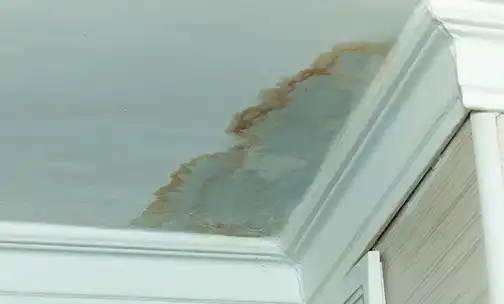
One of the best ways to easily prevent water damage is by inspecting your home for leaks twice a year. Check all ceilings, walls, and floors for water spots. Inspect any exposed pipes for signs of corrosion or leaks, and then inspect the roof for any damage, including holes or missing tiles/shingles and algae or mold. If anything is found, it is essential to address it quickly to prevent further damage, which can be costly.
Sump Pumps
A sump pump can be a lifesaver if you reside in areas prone to heavy rains or flooding. Sump pumps are designed to prevent significant water damage to your basement, which is one of the most common areas of a home to experience water damage. Sump pumps are installed in a basement area called a sump pit; this is where water is designed to accumulate, and the sump pump removes it before it becomes a threat.
Clear Gutters and Downspouts
Water can back up and enter your home causing damage if gutters or downspouts are blocked. Additionally, if downspouts are not properly moving water away from your home due to leaks, improper installation, or broken connections water can accumulate near your home causing damage to walls and the foundation. It’s essential to regularly (spring and fall) clean out and inspect your gutters and downspouts to ensure that they are working as desired.
Water Alarms
A water alarm is a device that sounds an alarm when it detects the presence of water. A water alarm can give you an early warning in case of a leak in your home, allowing you to take action before the damage becomes too extensive. Water alarms will generally be placed in areas where water damage is most likely to occur, such as near your water heater or washing machine.
Turn Off the Water Main When Going on Vacation
If you will be away from your home for an extended time, it is recommended to turn off your main water supply for the duration of your absence. Doing so can help prevent water damage if a pipe bursts while you are away. A home that is unheated is more likely to have pipes freeze; bleeding the pipes (letting water out after the main is turned off) can also reduce their chance of bursting due to freezing. The Red Cross recommends that if you are going to be away from a home during cold weather, the thermostat should be set at 55 degrees to prevent pipes from freezing.
Insulate Pipes
Pipes in attics, garages, and other unheated areas are susceptible to freezing and bursting. Insulating these pipes using pipe sleeves can help prevent this from happening and protect your home from water damage. In severe situations, heat tape and heat cable can be used to warm exposed pipes, so they don’t freeze.
Insurance
The second line of defense against to fight water damage is through the use of insurance; while it won’t prevent water damage, it will provide financial protection in case of water damage due to flooding or another cause in the home. Damage from water is covered under two types of policies, homeowners and flood insurance.
Homeowners (and renters) insurance
Homeowners and renters insurance can be crucial tools for protecting your home and its contents from water damage. Most standard homeowners insurance policies will cover water damage caused by sudden and accidental events, including burst pipes, roof leaks, overflowing toilets, and in some cases, instances of backed-up sewers. However, it’s imperative that you understand what your policy covers and what it doesn’t. Damage due to flooding is typically not covered under a standard homeowners insurance policy and therefore requires a separate flood insurance policy to protect you. Before any water damage event occurs, it’s a good idea for you to review your homeowner’s insurance policy and understand what it will cover.
| Water backup (and sump pump overflow) endorsement- this is an addition to a standard homeowners or renters policy providing added protection from water damage that results from backed-up drains or failed sump pumps. |
Additionally, depending on your needs, you may want to consider purchasing additional coverage, such as a water backup endorsement, to ensure that your home is fully protected against water damage. By having the right insurance coverage in place, you can ensure peace of mind knowing that you’re protected against the financial losses that can result from water damage to your home.
Flood Insurance
Though homeowners and renters insurance covers many types of water damage protecting your home and belongings, you should also consider purchasing flood insurance if you live in a flood prone area. According to the US National Flood Insurance Program (NFIP) and FEMA, the best way to protect your home and belongings in case of a flood, is to purchase flood insurance.
Flood Mitigation
There are several mitigation steps that you can take to reduce the damage that is caused by flooding. Taking flood mitigation steps can also reduce your costs for flood insurance and some steps prevent damage from happening in the first place. While significant mitigation steps can be costly, they can be eclipsed by the damage that a single flood can do, and the same property can still be at risk from the damage of future floods.
Several mitigation types can lower a property’s premiums for flood insurance when properly executed.
- Property relocation- moving a structure outside the flood area to higher ground
- Basement infill- defined as filling any area of a building with its floor below base flood elevation on all sides
- Abandonment of the lowest floor- of a structure so that the entire home is on the second story with minimal to no living areas on the first story.
- Elevating the lowest floor- or also elevating all building equipment and utility systems and/or protecting them from flooding in their current location.
- Wet floodproofing (using flood openings)- creating openings that allow flood water to flow in and out of unoccupied areas, lowering the risk of structural damage. The unoccupied areas of the home must also be made flood resistant.
- Dry floodproofing- sealing a structure, preventing water from entering
FEMA will make an individual determination on discount eligibility for other mitigation steps.
Community mitigation
In some instances, whole communities can be eligible for federal flood risk mitigation grants. These grants can be of benefit to the home and business owners in the floodplain. As a homeowner, you may want to encourage your local officials to apply for such grants.
Summary and Final Thoughts
While water can cause severe damage to your home and belongings, there are many steps you can take to protect yourself. Regularly inspecting your home and taking preventative measures, including the installation of sump pumps and water alarms, as well as efforts to prevent bursting pipes, is your first step. Purchasing homeowners and flood insurance, especially if you live in a flood-prone area, is the second step you can take to prevent significant financial burdens. Flood insurance costs can be reduced through personal and community mitigation efforts, which may be costly but, in the long run, may bring peace of mind and prevent further outlays and headaches from ever happening.
SIMILAR ARTICLES
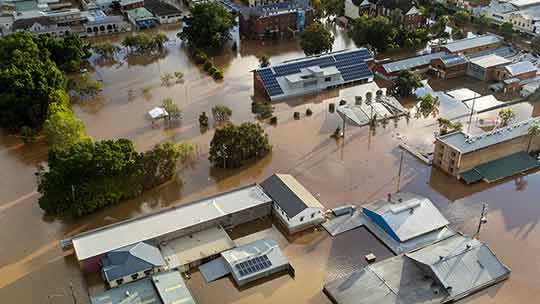 How to Prepare Your Family and Your Home for Natural Disasters
Get guidance on emergency professionals' recommendations for preparing your family and home for natural disasters.
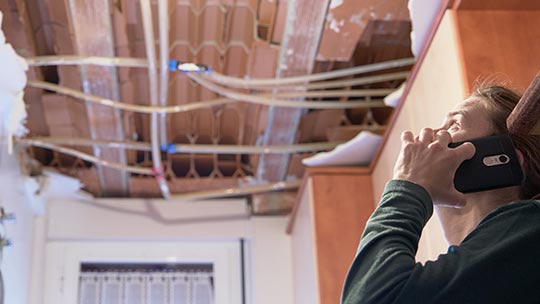 Items that are (Probably) not Covered by Your Homeowner's Insurance Policy
Curious about you homeowner's insurance limitations? Here are some items that are probably not covered under your policy.
 Tips for Finding Excellent Contractors, Electricians, and Plumbers
Not sure how to decide who to hire for your home renovation, electrical work or plumbing? Here are some tips to help you make a more informed decision.
 Mortgages 101: What First-Time Homebuyers Need to Know
Overview of mortgage terminology that first-time homebuyers will come across when buying their first home. It's important to understand the terminology used so buyers can better understand their mortgage.
Home Buying Steps
Mortgage Products
Disclosures
*Conventional Loans
Except for holidays, rates are updated Monday through Friday at 10:15am EST. The advertised rates and points are subject to change. The information provided is based on 1.125 discount point, which equals 1.125 percent of the loan amount, and assumes the purpose of the loan is to purchase a property with a 30-year, conforming, fixed-rate loan. Loan amount of $400,000; loan-to-value ratio of 75%; credit score of 760; and DTI of 18% or less. The property is an existing single-family home and will be used as a primary residence. The advertised rates are based on certain assumptions and loan scenarios, and the rate you may receive will depend on your individual circumstances, including your credit history, loan amount, down payment, and our internal credit criteria. Other rates, points, and terms may be available. All loans are subject to credit and property approval.
Rates quoted require a loan origination fee of 1%; not to exceed $1,995. Speak to a PenFed Mortgage Loan Officer for additional details.
**FHA Loans
Except for holidays, rates are updated Monday through Friday at 10:15am EST. The advertised rates and points are subject to change. The information provided is based on 1.0 discount point, which equals 1.0 percent of the loan amount, and assumes the purpose of the loan is to purchase a property with a 30-year, conforming, fixed-rate loan. Loan amount of $400,000; loan-to-value ratio of 96.5%; credit score of 760; and DTI of 18% or less. The property is an existing single-family home and will be used as a primary residence. The advertised rates are based on certain assumptions and loan scenarios, and the rate you may receive will depend on your individual circumstances, including your credit history, loan amount, down payment, and our internal credit criteria. Other rates, points, and terms may be available. All loans are subject to credit and property approval.
Rates quoted require a loan origination fee of 1%; not to exceed $1,995. Speak to a PenFed Mortgage Loan Officer for additional details.
***VA Loans
Except for holidays, rates are updated Monday through Friday at 10:15am EST. The advertised rates and points are subject to change. The information provided is based on 1.125 discount point, which equals 1.125 percent of the loan amount, and assumes the purpose of the loan is to purchase a property with a 30-year, conforming, fixed-rate loan. Loan amount of $450,000; loan-to-value ratio of 95%; credit score of 760; and DTI of 18% or less. The property is an existing single-family home and will be used as a primary residence. The advertised rates are based on certain assumptions and loan scenarios, and the rate you may receive will depend on your individual circumstances, including your credit history, loan amount, down payment, and our internal credit criteria. Other rates, points, and terms may be available. All loans are subject to credit and property approval.
Rates quoted require a loan origination fee of $995.
****Jumbo Loans
Except for holidays, rates are updated Monday through Friday at 10:15am EST. The advertised rates and points are subject to change. The information provided is based on 1.25 discount point, which equals 1.25 percent of the loan amount, and assumes the purpose of the loan is to purchase a property with a 30-year, non-conforming, fixed-rate loan. Loan amount of $1,009,000; loan-to-value ratio of 70%; credit score of 760; and DTI of 18% or less. The property is an existing single-family home and will be used as a primary residence. The advertised rates are based on certain assumptions and loan scenarios, and the rate you may receive will depend on your individual circumstances, including your credit history, loan amount, down payment, and our internal credit criteria. Other rates, points, and terms may be available. All loans are subject to credit and property approval.
Rates quoted require a loan origination fee of 1%; not to exceed $1,995. Speak to a PenFed Mortgage Loan Officer for additional details.





Routing #256078446
©2026 Pentagon Federal Credit Union