

MORTGAGE KNOWLEDGE CENTER
PenFed Mortgage with Confidence
MORTGAGE
How to Prepare Your Family and Your Home for Natural Disasters
What you'll learn: Learn some of the steps to take in preparation for natural disasters
EXPECTED READ TIME: 4 MINUTES
March 23, 2023

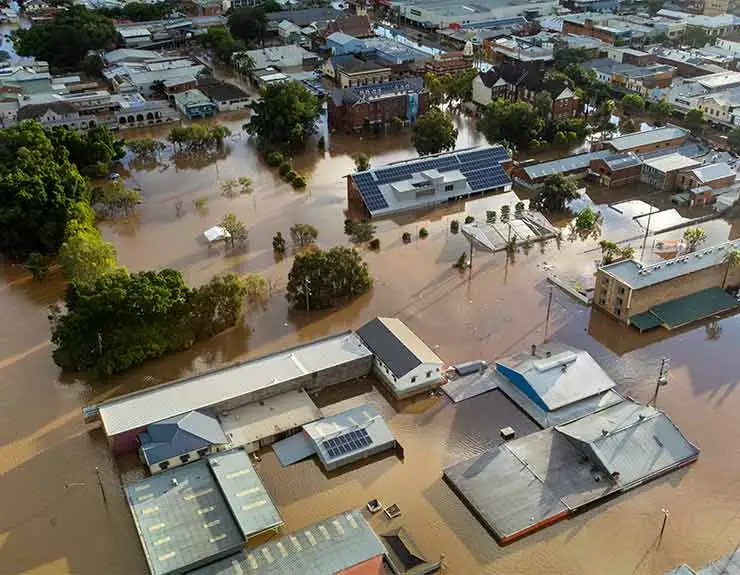
We must accept that natural disasters such as hurricanes, tornadoes, floods, and earthquakes can strike anytime, leaving families scrambling to protect themselves and their homes. Preparing for these events is crucial to minimize their damage and to keep ourselves and our loved ones safe. We saw that even power outages during snow storms could cause havoc, leaving us in frigid temperatures for days. This article outlines emergency professionals' recommendations for preparing your family and home for natural disasters, including power outages, food shortage, water management, communication strategies, and simply staying warm.
Managing Power Outages
Power outages are a common occurrence during natural disasters, and it's essential to have a plan in place to manage them. One option to consider is investing in an emergency generator, which can provide power to your home during an outage.
There are two main generator types: electric and gas/propane. Both have their own set of costs and benefits, and it's essential to consider these factors when choosing which kind of generator is best for your needs.
Electric
Electric generators are powered by electricity and typically run on a battery or a fuel cell. One of the main benefits of electric generators is their quiet operation; they don't have internal combustion engines, producing much less noise than gas or propane generators. This quiet operation makes them ideal for use in residential or commercial settings where noise may be a problem; however, noise is generally not a concern during natural disasters. Electric generators tend to be more efficient than gas or propane generators, which can save money on fuel costs in the long run, but they require a power source to charge or run.
Electric generators also typically have a lower power output than gas or propane generators and may not be able to handle heavy loads such as running a sizeable electric furnace/air conditioner or other high-power appliances. Additionally, electric generators are typically more expensive than gas or propane generators, and they may require a professional for installation.
Gas or Propane
Gas and propane generators are powered by their internal combustion engines and are generally more powerful than electric generators, handling heavier loads and can run for extended periods without refueling. This characteristic makes gas and propane generators ideal for use in situations where substantial power is needed, such as a natural disaster or power outage. Gas or propane generators are also typically less expensive than electric generators and can be installed by the homeowner.
However, gas or propane generators can be loud, and a ready fuel source is needed for their operation. Gas/propane generators also require regular maintenance and may produce emissions that can be deadly if not vented properly.
Considerations
Both electric and gas/propane generators have their own costs and benefits. Electrical generators will generally suffice for short outages to keep connected and provide emergency power when needed. Gas or propane generators will provide more energy but require more maintenance. Both are limited in their capacity and fuel available. Consider investing in a camping stove or portable grill for cooking, as well as a camping lantern, flashlights, or headlamps for illumination; this allows you to conserve energy, using generators for other electrical needs. It's essential to consider your specific needs and budget when deciding which type of generator is best for you.
Safe Food and Drinking Water
Food and water are crucial resources, and it's essential to have a sufficient supply of both on hand for emergencies. The American Red Cross recommends that individuals and families store enough food and water to last for at least three days; emergency responders may be unable to reach affected areas immediately, taking time for emergency supplies to be brought in.
Food
It's vital to store non-perishable items that do not require cooking or refrigeration. Examples include freeze-dried meals, canned goods, dried fruits, nuts, and granola bars. You should store a manual can opener. A camping stove or portable burner with sufficient fuel to boil water or cook food can also be of added benefit.
Water
It's necessary to store at least a gallon of water per person per day for sanitation and drinking.
This is water for:
- Drinking
- Washing dishes
- Brushing teeth
- Personal hygiene
This water should be stored in clean, airtight containers, such as plastic bottles or jugs, and rotated every six months to ensure their freshness. It's also recommended to have a water filter or purification tablets on hand if you need to purify water from other sources. If a potential disaster is possible, filling bathtubs with water can add an additional buffer that may help sustain you. Finally, knowing where to find alternative water sources, such as lakes, rivers, or streams, is essential in case your stored water runs out.
Considerations
Note, three days of food and water supplies are the minimum recommendation; it's always better to have more supplies on hand. Additionally, if you have special dietary needs or medical conditions requiring certain foods or medications, you should consider those when preparing emergency supplies.
Staying Informed and Connected with Communications
Having a communication plan in place is essential in order to reach loved ones and get help during a natural disaster. Ensure all family members know the emergency contact numbers, such as the local emergency services, and have a way to communicate, such as a cell phone or walkie-talkie. It's also advised to have a designated meeting place in case you get separated and an assigned out-of-town contact who can relay messages when needed. Finally, have battery-powered or hand-cranked devices to stay informed of news and weather and ensure a way to charge other communication devices when the power is out.
Staying Warm
During a natural disaster, it's important to stay warm, especially if the power or natural gas is out.
Here are some ways to safely stay warm during a natural disaster:
- Dress in layers: Wear multiple layers of warm clothing, including a waterproof outer layer, if you must venture outside. Layering traps heat close to your body and allows you to adjust your clothing as needed to stay warm.
- Blankets and bedding: Keep extra blankets and bedding on hand to add extra warmth to your sleep system. Make sure to use blankets and bedding that are rated for cold temperatures.
- Use alternative heat sources: If you have no electricity, consider alternative heat sources such as a wood-burning stove, fireplace, propane, or kerosene heater. Always follow the manufacturer's instructions and safety guidelines when using any alternative heat source to prevent fire and facilitate the venting of toxic gases.
- Use a sleeping bag: Sleeping bags are designed to keep you warm in cold temperatures. Keep a few extra sleeping bags on hand for emergencies, and in case you must leave your home.
- Stay active: Doing light exercises or house chores can help keep your body warm.
- Use hand and foot warmers: Hand and foot warmers can provide extra heat to extremities. They can be found in most outdoor or camping stores.
- Use candles or oil lamps: Candles or oil lamps can provide a small amount of heat as well as light. Keep them away from any flammable materials, and never leave them unattended.
Additionally, it is wise to ensure that your home is adequately insulated to retain heat.
Final Thoughts
Natural disasters can be scary and stressful for families, but being prepared can make all the difference. It's essential to stay informed about the situation and follow any evacuation or emergency instructions provided by local authorities. You can help keep your family safe and protected during an emergency by having a plan for power outages, food storage, water management, communications, and staying warm. Review and update your emergency plan and supplies regularly so you're ready for anything.
SIMILAR ARTICLES
 Creating Your Home Buying Budget | PenFed Credit Union
If you're buying a home, it's essential to know what all of the costs are so you can plan ahead. Find out about the different fees for inspections, closing costs, down payment, and more.
 What Will a Mortgage Cost You? | PenFed Credit Union
There are a lot of costs involved with a mortgage. Learn what they are, what will affect them, and what to keep in mind when you shop for a new mortgage.
 What Is a Closing Disclosure? | PenFed Credit Union
A closing disclosure is an important document you'll receive three days before you close your loan. Understanding how to read it will help you double-check the specifics of your mortgage.
 Mortgage Interest and Tax Deductions For Homeowners | PenFed Credit Union
Although tax rules can change every year, there are certain basic things to know about mortgage interest deductibility. And check out some of our tips on other home deductions.
Home Buying Steps
Mortgage Products
Disclosures
*Conventional Loans
Except for holidays, rates are updated Monday through Friday at 10:15am EST. The advertised rates and points are subject to change. The information provided is based on 1.125 discount point, which equals 1.125 percent of the loan amount, and assumes the purpose of the loan is to purchase a property with a 30-year, conforming, fixed-rate loan. Loan amount of $400,000; loan-to-value ratio of 75%; credit score of 760; and DTI of 18% or less. The property is an existing single-family home and will be used as a primary residence. The advertised rates are based on certain assumptions and loan scenarios, and the rate you may receive will depend on your individual circumstances, including your credit history, loan amount, down payment, and our internal credit criteria. Other rates, points, and terms may be available. All loans are subject to credit and property approval.
Rates quoted require a loan origination fee of 1%; not to exceed $1,995. Speak to a PenFed Mortgage Loan Officer for additional details.
**FHA Loans
Except for holidays, rates are updated Monday through Friday at 10:15am EST. The advertised rates and points are subject to change. The information provided is based on 1.0 discount point, which equals 1.0 percent of the loan amount, and assumes the purpose of the loan is to purchase a property with a 30-year, conforming, fixed-rate loan. Loan amount of $400,000; loan-to-value ratio of 96.5%; credit score of 760; and DTI of 18% or less. The property is an existing single-family home and will be used as a primary residence. The advertised rates are based on certain assumptions and loan scenarios, and the rate you may receive will depend on your individual circumstances, including your credit history, loan amount, down payment, and our internal credit criteria. Other rates, points, and terms may be available. All loans are subject to credit and property approval.
Rates quoted require a loan origination fee of 1%; not to exceed $1,995. Speak to a PenFed Mortgage Loan Officer for additional details.
***VA Loans
Except for holidays, rates are updated Monday through Friday at 10:15am EST. The advertised rates and points are subject to change. The information provided is based on 1.125 discount point, which equals 1.125 percent of the loan amount, and assumes the purpose of the loan is to purchase a property with a 30-year, conforming, fixed-rate loan. Loan amount of $450,000; loan-to-value ratio of 95%; credit score of 760; and DTI of 18% or less. The property is an existing single-family home and will be used as a primary residence. The advertised rates are based on certain assumptions and loan scenarios, and the rate you may receive will depend on your individual circumstances, including your credit history, loan amount, down payment, and our internal credit criteria. Other rates, points, and terms may be available. All loans are subject to credit and property approval.
Rates quoted require a loan origination fee of $995.
****Jumbo Loans
Except for holidays, rates are updated Monday through Friday at 10:15am EST. The advertised rates and points are subject to change. The information provided is based on 1.25 discount point, which equals 1.25 percent of the loan amount, and assumes the purpose of the loan is to purchase a property with a 30-year, non-conforming, fixed-rate loan. Loan amount of $1,009,000; loan-to-value ratio of 70%; credit score of 760; and DTI of 18% or less. The property is an existing single-family home and will be used as a primary residence. The advertised rates are based on certain assumptions and loan scenarios, and the rate you may receive will depend on your individual circumstances, including your credit history, loan amount, down payment, and our internal credit criteria. Other rates, points, and terms may be available. All loans are subject to credit and property approval.
Rates quoted require a loan origination fee of 1%; not to exceed $1,995. Speak to a PenFed Mortgage Loan Officer for additional details.





Routing #256078446
©2026 Pentagon Federal Credit Union