

MORTGAGE KNOWLEDGE CENTER
PenFed Mortgage with Confidence
MORTGAGE
How Becoming a Homeowner Changes Your Finances
What you'll learn: Learn how your finances change after buying a home, how to adapt, and how to manage your finances as a homeowner.
EXPECTED READ TIME: 5 MINUTES

August 28, 2024

Congratulations on becoming an official homeowner! The journey from homebuying to homeownership may be stressful, but it is also a huge accomplishment that you can take pride in.
As you get settled into your new home it is important to remember that the work of financial planning and budgeting is not over. Whether you need to recover your savings or are confronted with worries of financial setbacks while maintaining monthly payments, we have compiled some tips to help you optimize your homeowner budget and prepare for unexpected changes to your personal finances.
How does buying a home change your finances?
Many first-time homeowners may believe that mortgage payments are the only financial change of homeownership. However, there are a number of financial changes and responsibilities that come with owning and maintaining your new home. Here are a few you may experience as soon as you have your new house keys in hand:
-
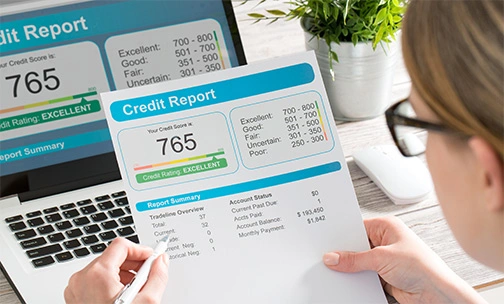
A drop in your credit score. Credit scores are an important factor used by lenders to determine whether you qualify for a mortgage or not. You may have even taken steps to improve your score during the homebuying process. But after your home purchase closes, you should be prepared to see a drop in your credit score. This drop is only temporary and as long as you make on-time payments your score will recover.
-
The number of costs you have will increase. Mortgage payments and homeowners insurance are likely the bills that come to mind when you think of the price of homeownership. However, there are additional costs that you need to prepare for, including:
-
-
Regular home upkeep and maintenance costs
-
Necessary repairs or home improvements
-
HOA fees
-
-
Your savings may need time to recover. A home purchase is a big expense and depending on your down payment, plus closing costs, it is normal for your savings to be depleted upon closing. This may mean you will have to dedicate a decent amount of your budget to rebuilding those funds. A good savings goal to have in mind is the equivalent of at least three to six months of expenses.
-
You will get to enjoy new tax benefits. Although the thought of all these cost changes may be stressful, homeownership comes with some financial benefits. For instance, as a homeowner you may be eligible for tax write-offs and deductions! Plus, once you start making payments on your mortgage, your home will build equity that you can tap into for funds later.
Your new home is a big financial investment, and all the changes that come with a home purchase can feel overwhelming. But it is important to remember that there are ways you can prepare to help mitigate the stress and avoid buyer’s remorse.
Things to avoid after buying a home
You may think that you are in the clear once you settle into your new home. However, just like the mistakes you are told to avoid during the homebuying process, there are a few missteps new homeowners should watch out for as well.
-
Ignoring small issues. You no longer have a landlord to turn to when problems arise. It can be tempting to ignore seemingly small complications, like a leaky faucet or the smell of mildew in the basement. But these “small issues” can end up turning into costly repairs if you do not catch them early enough.
-
Blindly hiring a handyman. Similar to the process of building your homebuying dream team, it is important to thoroughly research local contractors and home repair experts. Your house is full of complex systems, from HVAC to plumbing, and if you call the wrong handyman, who does not specialize in fixing what is broken, it can end up costing you a hefty price. Your home maintenance team should be reliable contractors with different specialties and glowing reviews.
-
Forgetting routine home maintenance needs. The reality is, as a homeowner, your to-do list is going to be a lot longer. Your new home will require routine maintenance and upkeep, which varies depending on the season and its location. You can avoid forgetting them by keeping a list of preventative maintenance tasks. That way, you can catch small issues before they turn into costly problems.
-
Jumping into home improvement projects too soon. It may be tempting to get started on your dream remodeling projects right when you move in, but it may be better to hold off and prioritize other goals. The costs of home improvement endeavors might detract from your ability to build your savings back up. Instead, focus on settling into your new space. Taking a few months to get to know the home and learn how you use each room will give you more insight into the improvements you actually need.
-
Failing your budget. Budgeting is a huge part of the homebuying process, but it becomes even more vital when you are officially a homeowner. You may have your monthly mortgage payments under control, but the cost of your utility bills and other home-related expenses can come as a surprise. Homeowners need to keep a close eye on their budget, especially during the first couple of months, and be flexible with making changes as needed. Your budget should include:
-
-
Monthly mortgage payments
-
Recurring bills (car payments, student loans, utilities, and more)
-
Personal expenses (groceries, entertainment, subscriptions, and more)
-
Savings goals
-
Establishing a comprehensive financial plan will give you more insight into your spending habits, areas where you need to cut costs, and the financial goals you want to pursue.
What if my financial situation changes after buying a house?
Life is known for throwing curveballs, and unexpected expenses or a lapse in your income are never welcome surprises. Especially when you have the added responsibility of monthly mortgage payments and other homeowner costs. Careful planning and proactive preparation will go a long way in helping you handle any hurdle life puts in your way. Taking the time to build up your savings as soon as possible will give you a safety net in case you experience any detrimental changes to your finances or employment status in the future.
If you do find yourself in a less secure financial position after buying a home, do not panic. You do have options to help you cover payments in the meantime. First, it is important to contact your lender as soon as possible to notify them of your situation. Though it depends on the lender, they may have options for homeowners experiencing hardship, such as:
-
Temporary partial payment plans
-
Short-term mortgage payment suspensions
-
Refinance options to help lower your monthly payments
If your lender is not able to provide any type of relief, do not be afraid to research local nonprofits, churches, or community groups. Many organizations provide emergency funds to homeowners experiencing financial difficulties. You can also consider asking friends and family for help covering expenses until you are back on your feet.
Owning a home can be stressful, and some first-time homeowners may be surprised by the costs of homeownership. However, with careful planning and thorough budgeting you can be prepared for whatever obstacles come your way!
SIMILAR ARTICLES

10 Things New Homebuyers Need to Know
There are a lot of things new homebuyers need to know. Here are 10 things you should consider when buying a home.
4 Credit Mistakes to Avoid When Buying a Home
Discover how to prepare your credit score for homebuying, plus the biggest credit mistakes to avoid.

Comparing Types of Mortgages
Need tips for comparing types of mortgages? Discover the answers to what different types of mortgages are available and what type of mortgage is best for you.
 Can I Afford to Buy A Home?
Find out if you are financially ready to buy a home. Use our affordability calculator to list your current income and bills and determine how much home you could afford.
Home Buying Steps
Mortgage Products
Disclosures
*Conventional Loans
Except for holidays, rates are updated Monday through Friday at 10:15am EST. The advertised rates and points are subject to change. The information provided is based on 1.0 discount point, which equals 1.0 percent of the loan amount, and assumes the purpose of the loan is to purchase a property with a 30-year, conforming, fixed-rate loan. Loan amount of $400,000; loan-to-value ratio of 75%; credit score of 760; and DTI of 18% or less. The property is an existing single-family home and will be used as a primary residence. The advertised rates are based on certain assumptions and loan scenarios, and the rate you may receive will depend on your individual circumstances, including your credit history, loan amount, down payment, and our internal credit criteria. Other rates, points, and terms may be available. All loans are subject to credit and property approval.
Rates quoted require a loan origination fee of 1%; not to exceed $1,995. Speak to a PenFed Mortgage Loan Officer for additional details.
**FHA Loans
Except for holidays, rates are updated Monday through Friday at 10:15am EST. The advertised rates and points are subject to change. The information provided is based on 1.125 discount point, which equals 1.125 percent of the loan amount, and assumes the purpose of the loan is to purchase a property with a 30-year, conforming, fixed-rate loan. Loan amount of $400,000; loan-to-value ratio of 96.5%; credit score of 760; and DTI of 18% or less. The property is an existing single-family home and will be used as a primary residence. The advertised rates are based on certain assumptions and loan scenarios, and the rate you may receive will depend on your individual circumstances, including your credit history, loan amount, down payment, and our internal credit criteria. Other rates, points, and terms may be available. All loans are subject to credit and property approval.
Rates quoted require a loan origination fee of 1%; not to exceed $1,995. Speak to a PenFed Mortgage Loan Officer for additional details.
***VA Loans
Except for holidays, rates are updated Monday through Friday at 10:15am EST. The advertised rates and points are subject to change. The information provided is based on 1.25 discount point, which equals 1.25 percent of the loan amount, and assumes the purpose of the loan is to purchase a property with a 30-year, conforming, fixed-rate loan. Loan amount of $450,000; loan-to-value ratio of 95%; credit score of 760; and DTI of 18% or less. The property is an existing single-family home and will be used as a primary residence. The advertised rates are based on certain assumptions and loan scenarios, and the rate you may receive will depend on your individual circumstances, including your credit history, loan amount, down payment, and our internal credit criteria. Other rates, points, and terms may be available. All loans are subject to credit and property approval.
Rates quoted require a loan origination fee of $995.
****Jumbo Loans
Except for holidays, rates are updated Monday through Friday at 10:15am EST. The advertised rates and points are subject to change. The information provided is based on 1.0 discount point, which equals 1.0 percent of the loan amount, and assumes the purpose of the loan is to purchase a property with a 30-year, non-conforming, fixed-rate loan. Loan amount of $1,009,000; loan-to-value ratio of 70%; credit score of 760; and DTI of 18% or less. The property is an existing single-family home and will be used as a primary residence. The advertised rates are based on certain assumptions and loan scenarios, and the rate you may receive will depend on your individual circumstances, including your credit history, loan amount, down payment, and our internal credit criteria. Other rates, points, and terms may be available. All loans are subject to credit and property approval.
Rates quoted require a loan origination fee of 1%; not to exceed $1,995. Speak to a PenFed Mortgage Loan Officer for additional details.





Routing #256078446
©2026 Pentagon Federal Credit Union