

MORTGAGE KNOWLEDGE CENTER
PenFed Mortgage with Confidence
MORTGAGE
Buying a Home in a Hurricane Zone: What You Need to Know
What you'll learn: Learn about what should be considered prior to purchasing a home in a hurricane zone
EXPECTED READ TIME: 4 MINUTES
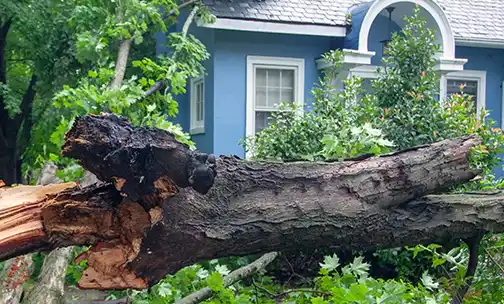
June 21, 2023

Purchasing any home is a significant decision for a buyer, but the process can be even more complex when you are considering a property in a hurricane zone. Hurricane zones are areas that are vulnerable to hurricanes. These intense tropical storms produce high winds, heavy rain, and storm surges which can destroy properties when they hit. As a prospective homeowner, it is crucial to understand the risk associated with buying a home in a hurricane zone so that you can make an informed decision. We will explore several factors that you need to be aware of, including the extra costs involved with upgrading your home, insurance needs, and additional optional insurance you may wish to purchase if you are going to buy in a hurricane zone.
What you Need to be Aware of
When buying a home in a hurricane zone, one must be aware of the risks associated with these areas. Hurricanes can cause significant damage to homes, and the cost of repairs can be substantial. In some cases, homes may need to be completely rebuilt. Additionally, the damage of a severe hurricane can make it impossible for residents to return to their homes for an extended period. As a result, it is crucial to be aware of the potential dangers and to weigh the risks and benefits of buying a home in a hurricane zone.
Just a Tiny Change can Have a Significant Impact
Where you buy a home can make a huge difference in your premiums and risk. A property just a few miles inland could be drastically different from a beachfront home. It comes down to flood hazard defined by the National Flood Insurance Program’s Rate Map. You do not have to be near water to be in a floodplain. High-risk areas are marked as Special Flood Hazard Areas, with at least a 1 in 4 chance of flooding during a 30-year mortgage. Check the designation when hunting for a home.
A home type can make a difference. Some homes are designed to withstand hurricanes. Dome shaped homes designed for wind, and homes built on stilts to withstand water may provide a better rating and lower insurance payments. A real estate agent can help you find such homes, and an inspector can provide a resistance assessment, to determine whether a potential purchase is up to code before an offer is made. The cost to remodel may be more than the insurance savings, so it may be worthwhile to keep looking.
Extra Costs
In addition to the costs associated with buying a home, there are several extra costs that come with owning a home in a hurricane zone. For example, homeowners may need to invest in storm shutters or other protective measures to shield their homes from damage during a hurricane. Homes in hurricane zones may require regular inspections to ensure that they are structurally sound and able to withstand high winds and rain.
Anyone in a hurricane zone will want to make sure trees are trimmed and gutters are cleaned regularly. A generator is a good investment in case of power failure, with fresh fuel to keep it running.
Older Homes Can Cost More
Know when a home was built or if it has been brought up to code. Building codes in Florida were updated significantly in the early 2000s, and are updated about every three years; the same may be true of other states. Look for the age of the roof. These are often damaged by hurricanes and may need to be replaced sooner than later, which can come at a significant cost.
Upgrading Your Home
It may be necessary to upgrade the property to minimize the risk of hurricane damage to your home during a storm. Upgrades can include installing new windows or reinforcing the roof to make it more resistant to damage. Make sure openings, windows, doors, and garage doors are impact-rated or protected with code-approved devices. Even if it is an older home, there may be upgrades such as metal straps and clips in the attic connecting the roof with the walls that give the house more protection. Other additions, such as storm shutters and panels, if not already there, can result in an insurance discount if added. Upgrading your home may also involve improving the home’s overall infrastructure to make it more resilient during a storm.
Insurance Needs
The most important thing to do when living in a coastal home is to ensure you are fully covered by your insurance. Owning a home in a hurricane zone requires obtaining a specific type of insurance coverage known simply as hurricane insurance, and it provides protection against damage caused by a hurricane.
In addition to hurricane insurance, it is also important to have a standard homeowner’s insurance policy, which covers damage from other types of natural disasters, such as fires. For most, it is also best to purchase flood insurance.
Homeowners and Hurricane Insurance
The location of your home will determine how much you pay for homeowners insurance and whether you need to buy a separate wind policy. A separate wind policy or attached rider provides protection in the event of flying debris and heavy winds.
| rider- optional insurance coverage provided at an additional cost |
Whether a hurricane hits or not, you will need to purchase hurricane insurance. Prices can vary wildly. Florida homeowners are paying an average of $2,670 per year, up from $2,084 in 2012, for homeowners insurance, with hurricane protection that helps with wind and some water damage. It is typical to shop for homeowner's insurance after finding a new home, but if you are considering buying a home in a hurricane zone, you should meet with an insurance agent before house-hunting to obtain an estimate of costs and avoid surprises. It is advised to shop around for at least three offers; 76% of those who shopped for insurance saved money doing so.
Hurricane Deductibles
Policies differ with regard to financial responsibility when making a hurricane claim. Florida’s hurricane deductible is based on a percentage and the property’s risk (is it in a danger zone), with a $500 minimum deductible, ranging from 2% to 10% of the policy’s dwelling limits.
Flood Insurance
Homeowners insurance with wind and hurricane coverage protects you against high wind, tropical storms, and hurricanes, but does not cover floods, and sadly many homeowners do not know this. Flood insurance can be obtained through the National Flood Insurance Program or from private insurance companies, and the US average flood insurance price for 2022 was $767 per year. Prices vary significantly; for example, in Texas, costs can range from $65 to $10,000. Flood insurance covers water damage from flooding, storm surges, levee breaks, and heavy rain, among others.
Summary and Final Thoughts
An unobstructed sea view may be lovely until the home you are looking from is washed away. Buying a home in a hurricane zone requires careful consideration of the potential risks and costs associated with this type of property. Looking for the right home requires understanding the extra costs involved, being willing to upgrade the safety features when needed, knowing your insurance needs, and adding optional insurance when it is useful. While living in a hurricane zone increases risk, these risks can be mitigated, and you can help protect your home and family during a hurricane.
SIMILAR ARTICLES
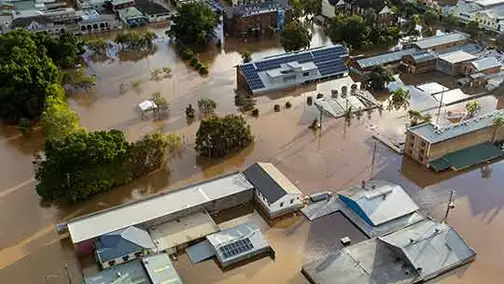 How to Prepare Your Family and Your Home for Natural Disasters
Get guidance on emergency professionals' recommendations for preparing your family and home for natural disasters.
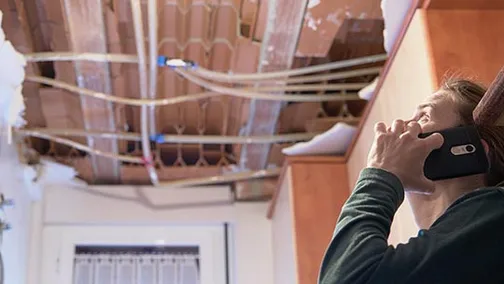 Items that are (Probably) not Covered by Your Homeowner's Insurance Policy
Curious about you homeowner's insurance limitations? Here are some items that are probably not covered under your policy.
 Tips for Finding Excellent Contractors, Electricians, and Plumbers
Not sure how to decide who to hire for your home renovation, electrical work or plumbing? Here are some tips to help you make a more informed decision.
 Mortgages 101: What First-Time Homebuyers Need to Know
Overview of mortgage terminology that first-time homebuyers will come across when buying their first home. It's important to understand the terminology used so buyers can better understand their mortgage.
Home Buying Steps
Mortgage Products
Disclosures
*Conventional Loans
Except for holidays, rates are updated Monday through Friday at 10:15am EST. The advertised rates and points are subject to change. The information provided is based on 1.125 discount point, which equals 1.125 percent of the loan amount, and assumes the purpose of the loan is to purchase a property with a 30-year, conforming, fixed-rate loan. Loan amount of $400,000; loan-to-value ratio of 75%; credit score of 760; and DTI of 18% or less. The property is an existing single-family home and will be used as a primary residence. The advertised rates are based on certain assumptions and loan scenarios, and the rate you may receive will depend on your individual circumstances, including your credit history, loan amount, down payment, and our internal credit criteria. Other rates, points, and terms may be available. All loans are subject to credit and property approval.
Rates quoted require a loan origination fee of 1%; not to exceed $1,995. Speak to a PenFed Mortgage Loan Officer for additional details.
**FHA Loans
Except for holidays, rates are updated Monday through Friday at 10:15am EST. The advertised rates and points are subject to change. The information provided is based on 1.375 discount point, which equals 1.375 percent of the loan amount, and assumes the purpose of the loan is to purchase a property with a 30-year, conforming, fixed-rate loan. Loan amount of $400,000; loan-to-value ratio of 96.5%; credit score of 760; and DTI of 18% or less. The property is an existing single-family home and will be used as a primary residence. The advertised rates are based on certain assumptions and loan scenarios, and the rate you may receive will depend on your individual circumstances, including your credit history, loan amount, down payment, and our internal credit criteria. Other rates, points, and terms may be available. All loans are subject to credit and property approval.
Rates quoted require a loan origination fee of 1%; not to exceed $1,995. Speak to a PenFed Mortgage Loan Officer for additional details.
***VA Loans
Except for holidays, rates are updated Monday through Friday at 10:15am EST. The advertised rates and points are subject to change. The information provided is based on 1.0 discount point, which equals 1.0 percent of the loan amount, and assumes the purpose of the loan is to purchase a property with a 30-year, conforming, fixed-rate loan. Loan amount of $450,000; loan-to-value ratio of 95%; credit score of 760; and DTI of 18% or less. The property is an existing single-family home and will be used as a primary residence. The advertised rates are based on certain assumptions and loan scenarios, and the rate you may receive will depend on your individual circumstances, including your credit history, loan amount, down payment, and our internal credit criteria. Other rates, points, and terms may be available. All loans are subject to credit and property approval.
Rates quoted require a loan origination fee of $995.
****Jumbo Loans
Except for holidays, rates are updated Monday through Friday at 10:15am EST. The advertised rates and points are subject to change. The information provided is based on 1.0 discount point, which equals 1.0 percent of the loan amount, and assumes the purpose of the loan is to purchase a property with a 30-year, non-conforming, fixed-rate loan. Loan amount of $1,009,000; loan-to-value ratio of 70%; credit score of 760; and DTI of 18% or less. The property is an existing single-family home and will be used as a primary residence. The advertised rates are based on certain assumptions and loan scenarios, and the rate you may receive will depend on your individual circumstances, including your credit history, loan amount, down payment, and our internal credit criteria. Other rates, points, and terms may be available. All loans are subject to credit and property approval.
Rates quoted require a loan origination fee of 1%; not to exceed $1,995. Speak to a PenFed Mortgage Loan Officer for additional details.





Routing #256078446
©2026 Pentagon Federal Credit Union