

MORTGAGE KNOWLEDGE CENTER
PenFed Mortgage with Confidence
MORTGAGE
What Type of Home is Right for Me?
What you'll learn: What to know about finding an ideal home that aligns with your personal needs.
EXPECTED READ TIME: 9 MINUTES
April 22, 2024

Whether you are an avid HGTV fan or casual property admirer, house hunting can be a thrilling venture for any homebuyer. But it can also be overwhelming when you start diving into the details. From location, home size, maintenance concerns, and more, determining what type of home is right for you may not be as easy as taking a drive around the block.
In this article, we will give you all the details to help you narrow down your options and determine which type of home is perfect for you.
Different types of homes
Buying a home is a significant investment, but researching all the different home listings can feel mind-boggling. You may initially be interested in a townhome in your budget, but find a single-family home down the street that has all of the amenities you need.
As you search, you will find that different types of properties suit different homebuyers depending on their lifestyles. Choosing the right home is as important as picking the right location.
Here are some common types of homes for you to consider:
Single-family homes
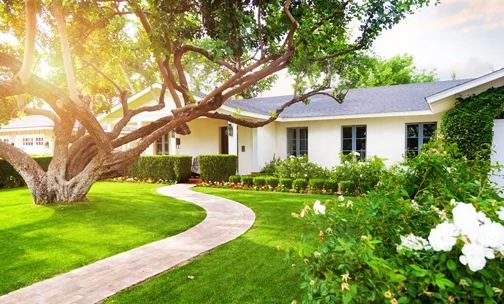
A single-family home is also known as a “stand-alone property” because is does not share walls, a roof, or land with other units. It is built for one family or person and is best for homebuyers who prioritize privacy and the ability to customize the home to their needs.
You may find some single-family homes fall within the jurisdiction of a homeowners association (HOA); however, as the owner you will typically be responsible for the home and property upkeep. Most single-family homes also often offer more bedrooms and bathrooms for growing families compared to other property types.
Pros:
- More privacy
- Ability to customize (so long as the changes follow local zoning laws and HOA rules if applicable)
- Extra storage space (attics, basements, garage space, spare closets, and so on)
Cons:
- Higher price
- Potential high maintenance costs
- No shared amenities
Multi-family homes
Properties that are considered multi-family homes may be more commonly referred to as duplexes or small apartment buildings. This type of home is a single building that contains several separate units or residences. Each unit will include its own kitchen, bedrooms, and bathrooms, but you will share walls, a roof, outdoor space, and so on. with other residents.
Typically, the building is owned by one person who lives in a unit and rents out the remaining units to other people. They are also great for extended family members that like to live closely together, but still want to maintain some privacy and independence.
Pros:
- Rental income that helps offset the cost of your mortgage
- Great for multigenerational families
Cons:
- Less privacy compared to other property types
- Possible vacancies may end up costing you money
Condos
Also called condominiums, condos are single-unit homes located within a multi-unit building. You will often share amenities (pool, fitness center, outdoor space) with other residents. Though you will not be responsible for the maintenance of shared services and amenities, a condo association will collect monthly fees for property and shared area maintenance.
Pros:
- More affordable compared to other home options
- Shared amenities and more social opportunities (for example, community events)
- Building/neighborhood security
Cons:
- HOA or condo association fees
- Restrictions and rules residents must follow
- May be harder to sell in the long run due to limited interest from prospective homebuyers
Townhouses
Most townhomes on the market are units located within a multi-unit property. You will find that residents living in townhome communities share walls and a roof with their neighbors, but each unit typically contains multiple floors, a garage, and a small yard. Plus, the location of most townhouses may also have shared common areas (pools, parks, fitness centers, and more).
Pros:
- Shared amenities that you are not responsible for maintaining
- Land ownership if the home comes with a yard (if there is an HOA, you may also not be responsible for landscaping and pest control)
Cons:
- Less privacy compared to single-family homes
- Possible HOA restrictions on renovations, exterior decorating, and pets
New construction homes
If you are having trouble finding the perfect home for your lifestyle and needs, it may be worth considering a new construction home. This type of home is a brand-new home that is built from the ground up with up-to-date building standards. You will have two options: you can either purchase the land and contract a builder to customize the building, or you may choose a move-in ready property that is being built by a homebuilder.
Pros:
- More control over the building process, including customizing the size, location, internal and external layout, and the building materials
- No worry over bidding wars and competing with other buyers
- Up-to-date building materials, meaning less worry over later renovations or repairs
Cons:
- Longer waiting period between purchasing and moving in
- Potential unexpected costs or delays in building progression
- Restricted ability to negotiate due to set prices determined by the builder or contractor
HOA vs No HOA
If you have not already, chances are you will encounter a homeowners association (HOA) at some point during your house-hunting journey. HOAs, or condo and community association memberships, have become more common for residential properties in recent years. These organizations set rules and guidelines that determine the general appearance of homes within a development. While not every home you come across will fall under an HOA, a variety of home types may require an HOA membership. This includes:
- Single-family homes
- Condos
- Townhomes
If you choose to purchase a home that is located in an HOA’s jurisdiction, you will be required to pay association fees. In return, you will have access to shared amenities within the community, landscaping maintenance, snow removal, and more. Fees will vary depending on the community, location, and the amenities provided. For example, single-family homes are more expensive than condos, but condo communities will typically have higher HOA fees.
There are many advantages to living within HOA-run communities, including maintained property values, shared spaces and services, aesthetically pleasing neighborhoods, and a closer sense of community. However, some of the drawbacks can be off-putting to homebuyers, like the recurring fees and less creative control over the exterior detailing of your home or renovations. It is also important to note that potential mismanagement by inexperienced leadership can result in HOA budget problems or maintenance neglect.
If you are considering a home located within an HOA-run community, it is important to pay attention to reviews from recent residents. Your real estate agent may also be able to provide deeper insight on the effectiveness of the HOA if they have experience in the area.
How your mortgage may affect your home options
A big consideration you must keep in mind during your homebuying journey is how your mortgage affects your options when it comes to choosing a property type. Finding the right lender can go a long way in reducing your stress when it comes to finding a home that meets the requirements for your mortgage. More often than not, conventional mortgages do not come with specific property-type requirements so you can choose between single-family, multi-family, condos, or townhomes. Your only limit will be how much mortgage your lender approves you for. Jumbo loans are great for purchasing larger properties or homes that reside in pricier areas.
FHA and VA loans will have stricter property requirements that will limit the type of homes you can consider. However, you may find that the benefits of a government-backed loan outweigh their limitations. Smaller down payments make these loans ideal for low- to moderate-income families looking to become homeowners.
At the end of the day, the type of home you choose will depend on various factors. From the type of mortgage and amount of the loan you are approved for to your personal lifestyle and needs, homebuying is a personal adventure that looks different for everyone.
SIMILAR ARTICLES

Beginner’s Checklist for Housing Needs
When you're buying a home for the first time, there are lots of things to consider. This is a comprehensive list of just about everything you need to think about as first-time homebuyers.

What Are the Steps to Buying a Home? Part 1
There are many steps to buying a home. In this article, we'll discuss the first steps of getting started, understanding the costs, and finding out how much you can afford.

Making the Move From Renting to Owning — Everything You Need to Consider
Ready to buy a home? Here is what to consider when transitioning from renting to owning a home.

How Much House Can You Afford? And How Do You Figure It Out?
Learn about how to use a mortgage affordability calculator and other factors that go into a home loan.
Home Buying Steps
Mortgage Products
Disclosures
*Conventional Loans
Except for holidays, rates are updated Monday through Friday at 10:15am EST. The advertised rates and points are subject to change. The information provided is based on 1.125 discount point, which equals 1.125 percent of the loan amount, and assumes the purpose of the loan is to purchase a property with a 30-year, conforming, fixed-rate loan. Loan amount of $400,000; loan-to-value ratio of 75%; credit score of 760; and DTI of 18% or less. The property is an existing single-family home and will be used as a primary residence. The advertised rates are based on certain assumptions and loan scenarios, and the rate you may receive will depend on your individual circumstances, including your credit history, loan amount, down payment, and our internal credit criteria. Other rates, points, and terms may be available. All loans are subject to credit and property approval.
Rates quoted require a loan origination fee of 1%; not to exceed $1,995. Speak to a PenFed Mortgage Loan Officer for additional details.
**FHA Loans
Except for holidays, rates are updated Monday through Friday at 10:15am EST. The advertised rates and points are subject to change. The information provided is based on 1.0 discount point, which equals 1.0 percent of the loan amount, and assumes the purpose of the loan is to purchase a property with a 30-year, conforming, fixed-rate loan. Loan amount of $400,000; loan-to-value ratio of 96.5%; credit score of 760; and DTI of 18% or less. The property is an existing single-family home and will be used as a primary residence. The advertised rates are based on certain assumptions and loan scenarios, and the rate you may receive will depend on your individual circumstances, including your credit history, loan amount, down payment, and our internal credit criteria. Other rates, points, and terms may be available. All loans are subject to credit and property approval.
Rates quoted require a loan origination fee of 1%; not to exceed $1,995. Speak to a PenFed Mortgage Loan Officer for additional details.
***VA Loans
Except for holidays, rates are updated Monday through Friday at 10:15am EST. The advertised rates and points are subject to change. The information provided is based on 1.125 discount point, which equals 1.125 percent of the loan amount, and assumes the purpose of the loan is to purchase a property with a 30-year, conforming, fixed-rate loan. Loan amount of $450,000; loan-to-value ratio of 95%; credit score of 760; and DTI of 18% or less. The property is an existing single-family home and will be used as a primary residence. The advertised rates are based on certain assumptions and loan scenarios, and the rate you may receive will depend on your individual circumstances, including your credit history, loan amount, down payment, and our internal credit criteria. Other rates, points, and terms may be available. All loans are subject to credit and property approval.
Rates quoted require a loan origination fee of $995.
****Jumbo Loans
Except for holidays, rates are updated Monday through Friday at 10:15am EST. The advertised rates and points are subject to change. The information provided is based on 1.5 discount point, which equals 1.5 percent of the loan amount, and assumes the purpose of the loan is to purchase a property with a 30-year, non-conforming, fixed-rate loan. Loan amount of $1,009,000; loan-to-value ratio of 70%; credit score of 760; and DTI of 18% or less. The property is an existing single-family home and will be used as a primary residence. The advertised rates are based on certain assumptions and loan scenarios, and the rate you may receive will depend on your individual circumstances, including your credit history, loan amount, down payment, and our internal credit criteria. Other rates, points, and terms may be available. All loans are subject to credit and property approval.
Rates quoted require a loan origination fee of 1%; not to exceed $1,995. Speak to a PenFed Mortgage Loan Officer for additional details.





Routing #256078446
©2026 Pentagon Federal Credit Union