

MORTGAGE KNOWLEDGE CENTER
PenFed Mortgage with Confidence
Home > Mortgage Knowledge Center > Mistakes to Avoid when Making an Offer on a House: First-time Homebuyers
MORTGAGE
Mistakes to Avoid when Making an Offer on a House: First-time Homebuyers
What you'll learn: What you need to know about offers and the common mistakes associated with them.
EXPECTED READ TIME: 6 MINUTES

Published: April 5, 2024

Buying your first home is a thrilling venture, but it is also an intimidating process. There is a lot of terminology to learn and even more documents to keep track of, so it’s normal to worry about making some mistakes throughout the journey. From decisions like choosing a lender to determining the type of mortgage that is best for you, doing your research will go a long way in helping you shop confidently. However, there is one step in homebuying that may be intimidating no matter how well you prepare—submitting an offer and negotiating with the seller.
Of course, having an experienced real estate agent by your side can mitigate a lot of the stress that comes with putting an offer down on a home. They will have your best interests in mind and be able to negotiate on your behalf. However, at the end of the day, it will be your signature on the final paperwork. That is why it is important to understand how to make an offer on a house and to become aware of potential mistakes that can occur so you don’t make them.
In this article, we will outline the mistakes you should avoid when you are ready to submit an offer on your dream home so you can conquer the homebuying process with confidence!
1. Putting off pre-approval
Many people dream of becoming homeowners, and thanks to online listings, may already have the perfect home in mind. However, it is important to make sure you’re not putting the cart before the horse. One of the very first steps you should be taking on your homebuying journey is securing pre-approval from a trusted lender, especially as a first-time buyer.
While it is not final approval on your loan, a mortgage pre-approval proves a lender has verified your financial information and has pre-approved you for a certain interest rate and loan amount. This stamp of (pre-)approval showcases your serious intent as a buyer to sellers. Without it, many sellers and real estate agents may not take you (or your offer) seriously, especially in competitive housing environments.
2. Rushing to make an offer
After searching high and low, you have finally found the home you can picture living in for years to come. It is an exciting moment and you may be tempted to jump right into submitting an offer. But no matter how amazing a home may seem, a huge mistake first-time buyers may make is rushing into it.
Any offer you submit will be a commitment to pay if the seller accepts, so it is important to be absolutely sure in your interest in the home before making an offer.
3. Waiting too long to make an offer
If it is possible to submit an offer too soon, then you can be sure that it is also a mistake to wait too long to make an offer. Narrowing your search and holding out for the “perfect” home may result in you missing out on other quality options. It is best to keep an open mind to a variety of homes so you do not risk prolonging your homebuying process indefinitely.
4. Not comparing the selling prices of similar homes
How much a home is truly worth is somewhat relative and depends on a variety of factors—location, size, condition, and real estate comparables.
What are real estate comparables, also known as comps? In simple terms, these are the comparable properties within the area that you are looking to buy in. For example, let us say you found a 4-bedroom, 3-bathroom house and you are tempted to submit an offer. Before you hit send, it is important to find other homes in the area with similar stats to get an estimate of that tempting home’s property value. This way, you can be sure you aren’t overpaying on a home that is worth less than the asking price. Understanding the prices of other homes in the area will also give you a leg up during negotiations with the seller.
5. Not investigating the competition for a house
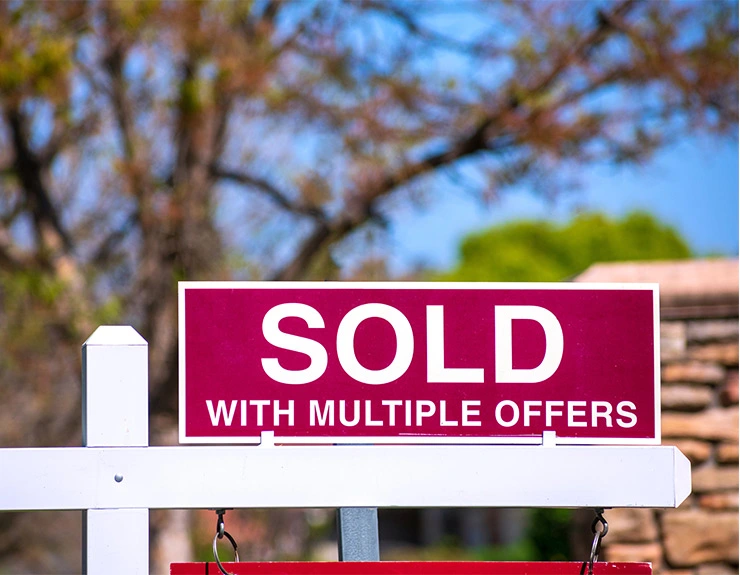
It does not take a detective to get information on the competition—all you have to do is ask! Knowing whether or not there are other buyers interested in the same home you have your sights set on will help you avoid getting your hopes up too high. If you are the only buyer submitting an offer, you will have some buying and negotiating power. However, if the seller is receiving a few different offers from other prospective buyers, you may have to take steps to ensure your offer is the most tempting or accept that you may have to keep up the house hunt.
6. Not leveraging home close contingencies
There are various types of real estate contingencies that are intended to protect you during the biggest transaction you will ever make in your life. For example, including a mortgage contingency clause will provide you a set time after your offer is accepted to secure mortgage loan approval. If you are not able to secure the loan within that timeframe, then this contingency guarantees your ability to walk away from a signed contract without legal repercussions and your earnest money deposit will be returned.
Some of the more common types of contingencies you will find in a purchase contract also include appraisal, mortgage, title, and home inspection.
7. Neglecting to consider market conditions
A big part of buying a home is researching current market trends and conditions. This way, you can determine when it is the best time for you to purchase. There are two important terms you’ll need to understand: buyer’s market vs. seller’s market.
Buyer’s market: In a buyer’s market, you will find that you have more buying power as there is not a lot of demand for homes overall and there is less competition with other buyers. You can take your time finding a home and submitting an offer as you may not have to worry about another person swooping in with a more tempting deal.
Seller’s market: In a seller’s market, sellers will have more negotiating power over buyers. In this case, the demand for homes is high and bidding wars are more commonplace so sellers can increase their asking price knowing that multiple offers are coming their way. This means you may have to outbid other buyers and reduce the amount of real estate contingencies you include in your offer.
8. Be smart; resist impulsivity
When you are buying a home, it is important to keep a level head, do your research, and resist making impulsive decisions. Homebuying is an emotional journey for most people, and finding a prospective home that has everything you have dreamed of is sometimes too exciting to resist. However, taking a step back to contemplate the fiscal responsibility that submitting an offer entails, can save you from rushing into what could be a bad deal.
It is important to weigh your options and submit your offer after you have taken every variable into consideration.
SIMILAR ARTICLES

10 Real Estate Bidding War Tips
Real estate bidding wars can be brutal and stressful. But you can be armed with the knowledge of what to do and how to put your best foot forward. Read on.

How Much House Can You Afford? And How Do You Figure It Out?
Learn about how to use a mortgage affordability calculator and other factors that go into a home loan.
 How To Make Counter Offers
Making successful counter offers is an art and can be tricky. Read our top tips on how to negotiate and come out winning. Read on.

Real Estate Listings Online - Viewing Tips
If you are shopping for a new home, you will likely start visiting house shopping sites. Discover tips and pitfalls when real estate shopping online.
Home Buying Steps
Mortgage Products
Disclosures
*Conventional Loans
Except for holidays, rates are updated Monday through Friday at 10:15am EST. The advertised rates and points are subject to change. The information provided is based on 1.125 discount point, which equals 1.125 percent of the loan amount, and assumes the purpose of the loan is to purchase a property with a 30-year, conforming, fixed-rate loan. Loan amount of $400,000; loan-to-value ratio of 75%; credit score of 760; and DTI of 18% or less. The property is an existing single-family home and will be used as a primary residence. The advertised rates are based on certain assumptions and loan scenarios, and the rate you may receive will depend on your individual circumstances, including your credit history, loan amount, down payment, and our internal credit criteria. Other rates, points, and terms may be available. All loans are subject to credit and property approval.
Rates quoted require a loan origination fee of 1%; not to exceed $1,995. Speak to a PenFed Mortgage Loan Officer for additional details.
**FHA Loans
Except for holidays, rates are updated Monday through Friday at 10:15am EST. The advertised rates and points are subject to change. The information provided is based on 1.125 discount point, which equals 1.125 percent of the loan amount, and assumes the purpose of the loan is to purchase a property with a 30-year, conforming, fixed-rate loan. Loan amount of $400,000; loan-to-value ratio of 96.5%; credit score of 760; and DTI of 18% or less. The property is an existing single-family home and will be used as a primary residence. The advertised rates are based on certain assumptions and loan scenarios, and the rate you may receive will depend on your individual circumstances, including your credit history, loan amount, down payment, and our internal credit criteria. Other rates, points, and terms may be available. All loans are subject to credit and property approval.
Rates quoted require a loan origination fee of 1%; not to exceed $1,995. Speak to a PenFed Mortgage Loan Officer for additional details.
***VA Loans
Except for holidays, rates are updated Monday through Friday at 10:15am EST. The advertised rates and points are subject to change. The information provided is based on 1.25 discount point, which equals 1.25 percent of the loan amount, and assumes the purpose of the loan is to purchase a property with a 30-year, conforming, fixed-rate loan. Loan amount of $450,000; loan-to-value ratio of 95%; credit score of 760; and DTI of 18% or less. The property is an existing single-family home and will be used as a primary residence. The advertised rates are based on certain assumptions and loan scenarios, and the rate you may receive will depend on your individual circumstances, including your credit history, loan amount, down payment, and our internal credit criteria. Other rates, points, and terms may be available. All loans are subject to credit and property approval.
Rates quoted require a loan origination fee of $995.
****Jumbo Loans
Except for holidays, rates are updated Monday through Friday at 10:15am EST. The advertised rates and points are subject to change. The information provided is based on 1.625 discount point, which equals 1.625 percent of the loan amount, and assumes the purpose of the loan is to purchase a property with a 30-year, non-conforming, fixed-rate loan. Loan amount of $1,009,000; loan-to-value ratio of 70%; credit score of 760; and DTI of 18% or less. The property is an existing single-family home and will be used as a primary residence. The advertised rates are based on certain assumptions and loan scenarios, and the rate you may receive will depend on your individual circumstances, including your credit history, loan amount, down payment, and our internal credit criteria. Other rates, points, and terms may be available. All loans are subject to credit and property approval.
Rates quoted require a loan origination fee of 1%; not to exceed $1,995. Speak to a PenFed Mortgage Loan Officer for additional details.
Fixed Rate Advance Lock-In You may lock in an Annual Percentage Rate for Advances during the Advance Period. During your Advance Period, you may choose to have three separate Fixed Rate Advances locked in at any one time, with a maximum of two new Fixed Rate Advances per calendar year. Each Fixed Rate Advance must equal or exceed Ten Thousand Dollars ($10,000.00) and you may not request a Fixed Rate Advance that would cause the amount you owe to exceed your Credit Limit. The only term option for your Fixed Rate Advance is 240 months (“Fixed Rate Advance Term”). However, the term of your Fixed Rate Advance cannot exceed your Repayment Period.





Routing #256078446
©2026 Pentagon Federal Credit Union