

MORTGAGE KNOWLEDGE CENTER
PenFed Mortgage with Confidence
MORTGAGE
Home Inspections and Maintenance: What to Expect
What you'll learn: What you need to know about inspections and maintenance when buying a house.
EXPECTED READ TIME: 5 MINUTES

April 12, 2024

There is no denying that the homebuying journey is both exciting and tedious. Even when you’ve found the right house, within the right budget, in the right location, there is still some work to be done.
In this article, we will discuss some of the essential steps that follow selecting a home—like inspection and ongoing maintenance. If you take the time to do it right, you will help ensure that your home is not only safe to live in, but a good long-term financial investment.
Electrical maintenance
One of the primary concerns when buying a home is the house’s electrical system. So, during the walkthrough, the inspector will be on the lookout for things like outdated wiring, loose connections, wear and tear, overloaded circuits, and faulty outlets.
Once you have moved in, you should be able to spot some hazards yourself: flickering lights, frequently tripped circuit breakers, or outdated electrical panels. These walkthroughs, along with other annual maintenance checks, can be done without outside help. While some minor fixes like replacing light switches or installing new outlets can be handled by homeowners, complex electrical work should always be left to the pros.
In terms of cost, repairs can vary widely. Depending on the extent of the issue, jobs can range from a few dollars to a few thousand dollars. But no matter the cost, any major electrical problems should be a priority. Since a safe home is of the utmost importance, these issues should rise to the top of the to-do list.
Roof inspection
The expression “roof over your head” obviously references the home itself, but it does give credit to the importance of a sturdy roof and roof repair. A roof is meant to protect your home from the elements, so it is important to make sure it is up to that standard.
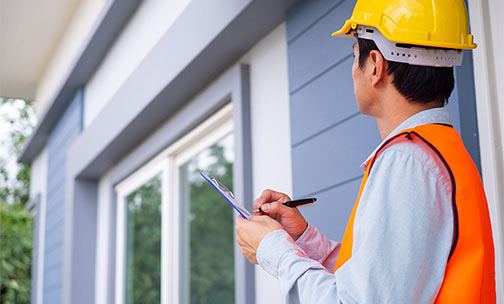
During a home inspection, inspectors will closely examine the roof for signs of damage. They will look for missing or damaged shingles, leaks, and sagging areas. If they do find that some work needs to be done, understand that repairing or replacing a roof can be a significant expense. The costs will vary from house to house depending on the materials used and the size of the roof.
Minor repairs such as patching a few missing shingles can be relatively inexpensive, while a full roof replacement can cost you several thousand dollars. Regular maintenance, including gutter cleaning and inspection, can help prolong the lifespan of your roof and prevent costly issues down the line.
To stay safe, a twice-a-year self-inspection should keep things on track. Aside from that, you should always examine your roof after any strong winds, sleet, snow, hail, or torrential rain. Keep an eye out for the following:
- Foreign objects
- Loose, cracked, or damaged shingles
- Missing shingles
- Sagging
- Mold or rot
- Signs of water damage or leaking
- Holes or dark spots
Plumbing repairs
Much like electrical work, plumbing issues can vary in severity and urgency. They range anywhere from annoying leaks to water heater repair to major pipe bursts that can cause immediate damage and long-term mold growth.
Most plumbing problems are easy to spot; things like dripping faucets, slow drains, and water stains on walls or ceilings. If you have the right tools and access to YouTube, you could fix a leaky faucet or unclog a drain yourself—but many issues require a professional plumber to handle. Pipe replacements, major leaks, and sewer line repairs should be left to the pros.
The cost of plumbing repairs can vary greatly depending on the extent of the damage and the type of plumbing system in your home. The tricky part is that plumbing issues can lead to additional costs like carpet, wall, and furniture replacements. Annual maintenance checkups could be a small price to pay to help prevent costly repairs and overwhelming issues down the road.
Insulation and ventilation
Nobody likes a high energy bill. But a bill increase is just one problem that comes from improper insulation and ventilation. These areas are critical for maintaining a comfortable and energy-efficient home.
Inspectors will check for adequate insulation in the walls, attic, and crawl spaces, as well as proper ventilation in areas like bathrooms and kitchens. Some problems you may encounter include:
- Energy loss
- Moisture buildup
- Mold growth
- Mystery odors
- Allergic reactions
- Pests
- Frozen pipes
- Noise transfer between walls
As you can tell, some of the issues can cause additional ones to happen downstream. So, the quicker you can take care of the problems, the more likely you’ll avoid the additional stress and expenses.
Addressing insulation and ventilation issues may involve adding insulation, installing vents, adding fans, or sealing air leaks. While some improvements can be DIY projects, it's best to consult with professionals, especially for major upgrades or repairs. And as you have probably guessed, the cost of improvements can vary depending on the size of the home and the extent of the work needed.
Foundation inspection
We’ve all heard the term “good bones” in reference to a strong house. That is because structural integrity is a crucial factor when purchasing a home. So, if there are issues with the foundation, they require immediate attention.
If you or your inspector notice cracks, uneven floors, or bowing walls, they can indicate serious underlying problems with the home. It is a good idea to also get a termite inspection prior to purchasing a house. Structural issues are complex and typically require the expertise of engineers and contractors. Fixing these issues is essential, so they should be addressed promptly and thoroughly.
The cost of structural repairs can be substantial, ranging from several thousand to tens of thousands of dollars, depending on the severity of the issue. Although these expenses can be expansive and unexpected, ignoring structural problems can lead to further damage and decreased property value, which will be more costly in the long run.
Staying on top of things
It is important to remember that this is not a one-time checklist. Everything we have covered, from roof to substructure, needs to be monitored, maintained, and when inevitably broken, repaired. This can be as simple as cleaning your gutters or replacing old lighting fixtures. Just remember to budget for these necessary expenditures—about 1% of your home cost should be put aside for maintenance costs.
The appraisal, inspection, and maintenance processes are integral aspects of buying and owning a home. Whether the issues need to be addressed before you move in, or years after you’ve owned the home, being proactive and diligent in identifying and addressing issues is key.
It is also a good idea to build a seasonal to-do list to keep your house in shape. Handling the big problems immediately and taking care of the small issues each season can ensure that your home remains a safe, comfortable, and valuable investment for years to come.
SIMILAR ARTICLES

The Home Inspection Checklist for Buyers
Get the ultimate checklist for preparing to have your new home inspected prior to closing.
Home Inspections for Sellers: What to Expect
Learn how to prepare for a home inspection, find answers to common questions, and preview a sample home inspection checklist for sellers.

Ten Home Maintenance Tasks You Should Be Doing and How Often You Should Be Doing Them
Not sure how often you should check your roof, HVAC system, and/or appliances? Here is some guidance on the importance of completing these home maintenance tasks.

How to Speed Up the Homebuying Process
The home buying process is complicated and can take time. Discover these home buying tips to find a home and close on time.
Home Buying Steps
Mortgage Products
Disclosures
*Conventional Loans
Except for holidays, rates are updated Monday through Friday at 10:15am EST. The advertised rates and points are subject to change. The information provided is based on 1.375 discount point, which equals 1.375 percent of the loan amount, and assumes the purpose of the loan is to purchase a property with a 30-year, conforming, fixed-rate loan. Loan amount of $400,000; loan-to-value ratio of 75%; credit score of 760; and DTI of 18% or less. The property is an existing single-family home and will be used as a primary residence. The advertised rates are based on certain assumptions and loan scenarios, and the rate you may receive will depend on your individual circumstances, including your credit history, loan amount, down payment, and our internal credit criteria. Other rates, points, and terms may be available. All loans are subject to credit and property approval.
Rates quoted require a loan origination fee of 1%; not to exceed $1,995. Speak to a PenFed Mortgage Loan Officer for additional details.
**FHA Loans
Except for holidays, rates are updated Monday through Friday at 10:15am EST. The advertised rates and points are subject to change. The information provided is based on 1.375 discount point, which equals 1.375 percent of the loan amount, and assumes the purpose of the loan is to purchase a property with a 30-year, conforming, fixed-rate loan. Loan amount of $400,000; loan-to-value ratio of 96.5%; credit score of 760; and DTI of 18% or less. The property is an existing single-family home and will be used as a primary residence. The advertised rates are based on certain assumptions and loan scenarios, and the rate you may receive will depend on your individual circumstances, including your credit history, loan amount, down payment, and our internal credit criteria. Other rates, points, and terms may be available. All loans are subject to credit and property approval.
Rates quoted require a loan origination fee of 1%; not to exceed $1,995. Speak to a PenFed Mortgage Loan Officer for additional details.
***VA Loans
Except for holidays, rates are updated Monday through Friday at 10:15am EST. The advertised rates and points are subject to change. The information provided is based on 1.0 discount point, which equals 1.0 percent of the loan amount, and assumes the purpose of the loan is to purchase a property with a 30-year, conforming, fixed-rate loan. Loan amount of $450,000; loan-to-value ratio of 95%; credit score of 760; and DTI of 18% or less. The property is an existing single-family home and will be used as a primary residence. The advertised rates are based on certain assumptions and loan scenarios, and the rate you may receive will depend on your individual circumstances, including your credit history, loan amount, down payment, and our internal credit criteria. Other rates, points, and terms may be available. All loans are subject to credit and property approval.
Rates quoted require a loan origination fee of $995.
****Jumbo Loans
Except for holidays, rates are updated Monday through Friday at 10:15am EST. The advertised rates and points are subject to change. The information provided is based on 1.25 discount point, which equals 1.25 percent of the loan amount, and assumes the purpose of the loan is to purchase a property with a 30-year, non-conforming, fixed-rate loan. Loan amount of $1,009,000; loan-to-value ratio of 70%; credit score of 760; and DTI of 18% or less. The property is an existing single-family home and will be used as a primary residence. The advertised rates are based on certain assumptions and loan scenarios, and the rate you may receive will depend on your individual circumstances, including your credit history, loan amount, down payment, and our internal credit criteria. Other rates, points, and terms may be available. All loans are subject to credit and property approval.
Rates quoted require a loan origination fee of 1%; not to exceed $1,995. Speak to a PenFed Mortgage Loan Officer for additional details.





Routing #256078446
©2026 Pentagon Federal Credit Union