
STAYING SAFE ONLINE
Protecting against elder scams
Older adults are often targeted, but a little know-how goes a long way. Learn simple ways to spot scams early and protect your money and personal information.
Spotting scams together
Help the seniors in your life navigate the digital world safely by keeping an eye out for these specific warning signs.

Tech & Account Scams
Scammers pose as tech support or a well‑known company. They say there’s a problem with your computer, a purchase, or your account—and ask you to click a link or let them “fix” it remotely. They may change settings, install harmful software, or fake a refund in your online banking, then pressure you to send money back.
How to protect yourself:
- Don’t click links or call numbers in unexpected emails, pop‑ups, or texts.
- Never give remote access to anyone who contacts you first.
- Don’t share passwords, access codes, or online banking details.
- If someone says you were “overpaid” and must send money back, stop and talk to your bank or a trusted person.

Romance Scams
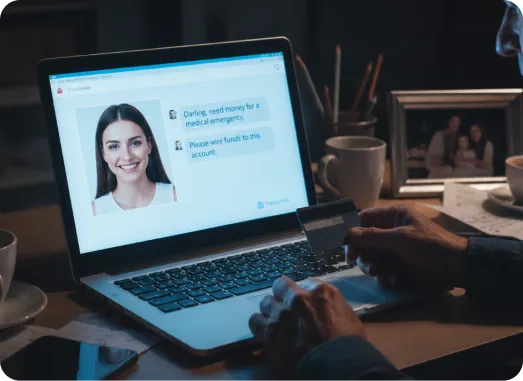
Romance scammers use dating sites, social media, and chat apps to build fake relationships. They may use stolen photos or AI to change their voice or appearance. Once they gain your trust, they start asking for money, deposits, or “investments,” often in cryptocurrency or other hard‑to‑trace ways.
How to protect yourself:
- Don’t share personal, account, or card details with someone you only know online.
- Don’t send or move money “as a favor” for a new online friend or love interest.
- Be wary if they quickly profess love but avoid meeting in person or on video and always have an excuse.
- Bad actors may attempt to coerce you via romance scams provide personal information or convince you to open a Home Equity Line of Credit or take out other loans in your name and send them the money.

Prize & Lottery Scams
With prize and lottery scams, you’re told you’ve won big—but you need to pay fees or taxes first. Scammers may even mail you a check and tell you to deposit it and use it to cover those costs. The check later bounces, and your real money is gone.
How to protect yourself:
- Be cautious of “winnings” for contests or lotteries you don’t remember entering.
- Any prize that requires upfront fees is a red flag.
- Don’t send money or share personal details with people or companies you can’t clearly verify.
- Don’t deposit checks tied to unexpected prizes—they’re usually fake.

Health Scams
Medicare and health scammers pose as Medicare, insurance plans, or medical providers. They may offer “free” equipment or miracle cures, or claim there’s a problem with your coverage—just to get your Medicare number, Social Security number, or payment information.
How to protect yourself:
- Only share Medicare or insurance numbers with doctors and providers you know and trust.
- If something feels off, hang up and call the number on your card or statement.
- Be skeptical of unsolicited offers for free equipment, special plans, or miracle treatments.
Imposter Scams
Scammers pose as banks or government agencies and pressure you to act fast—moving money to a "safe" account or investing in a fake opportunity. Any money you send goes to the scammer.
How to protect yourself:
- Avoid the call and contact the company directly using a number you trust, like the one on your PenFed card.
- Be skeptical of unexpected calls or texts about your money—even from someone claiming to be a trusted company.
- Never share account numbers, passwords, or personal details with someone who contacts you unexpectedly.